
Lesson 6.4: Link Building
Article by: Matt Polsky
We've established links are still an important part of search algorithms and the different factors that may influence a link's value.
In this section, we dive deeper into the hands-on portion of building links for SEO, including strategy, tactics and how to enact a link-building campaign.
What is Link Building?
Link building is the process of getting other websites to link to your website. Link-building tactics vary widely, but it typically involves creating an asset to pitch to other website owners, bloggers and journalists.
Link Building Tactics
It may seem backward to start with tactics, but I want you to see the types of deliverables a link-builder produces. Each tactic has varying degrees of difficulty and value; some tactics can even harm a site.
Data, Research and Visualizations
Recently, the most popular link tactic is utilizing data and research to produce news angles. The tactic best suits companies with proprietary datasets or those who can overlay raw data and find an angle.
The upside of this tactic is you can land high authority sites like the New York Times. The downside is you have little to no control over the anchor text. Additionally, the page getting linked is often a data-heavy page and not one that produces organic traffic or conversions - though there are ways around that.
- Difficulty: Moderate to High
- Value: Moderate to High
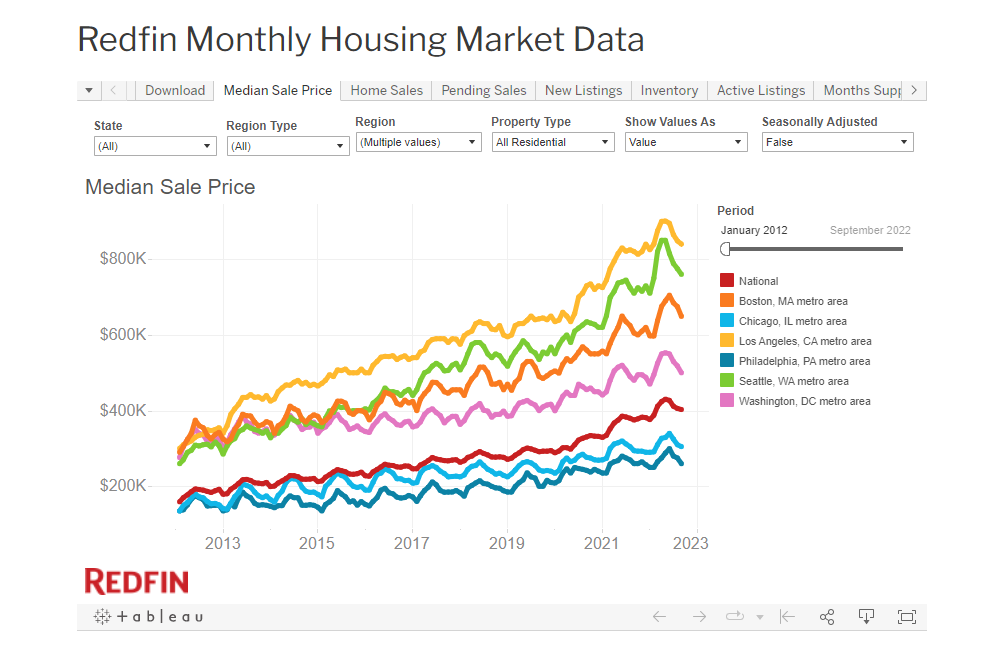
An excellent example of using data for links is this page from Redfin. They provide real-time stats and charts on the housing market and pitch this page and their in-house economist to journalists to use as a source.
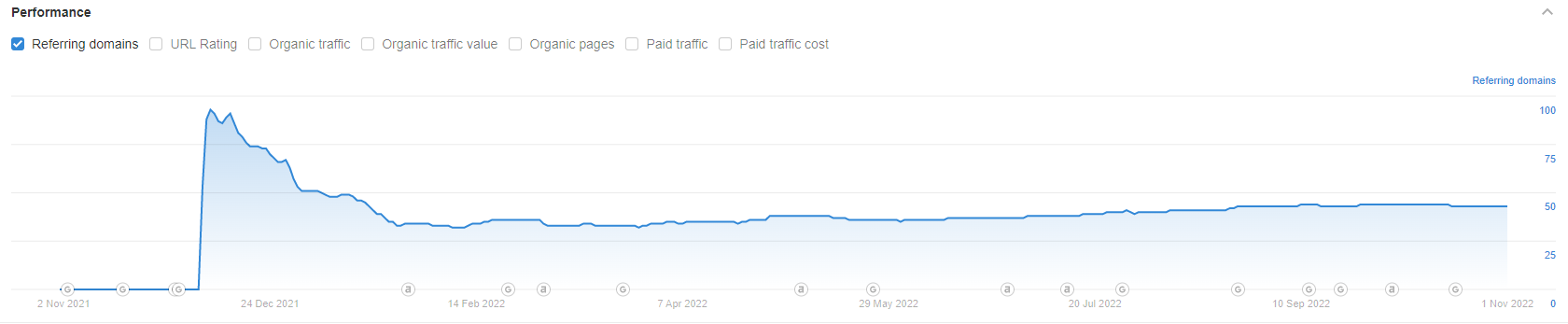
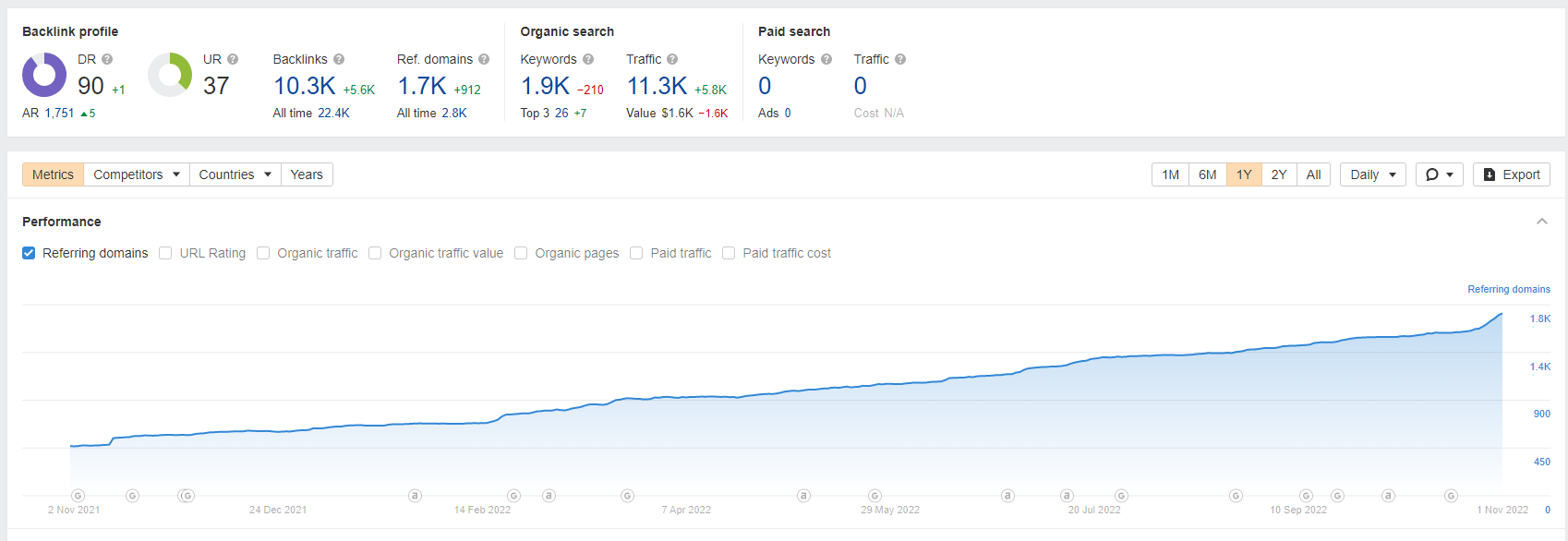
The best part of an asset like this is the ability to generate passive links. Passive, in this case, means you no longer have to conduct outreach, and the page generates links independently - easily seen by the steady growth of their referring domains over time instead of large spikes.
The main things to consider with data pieces are:
- The data still needs an angle or hook. Journalists don't typically have time to parse datasets looking for a trend.
- Data by itself isn't generally sexy. Add visuals that help with comprehension.
- Keep the data relevant to your core business so you can easily add internal links to your most transactional pages.
- Try to find ways to incorporate data on transactional pages - even if temporary.
Compile Data
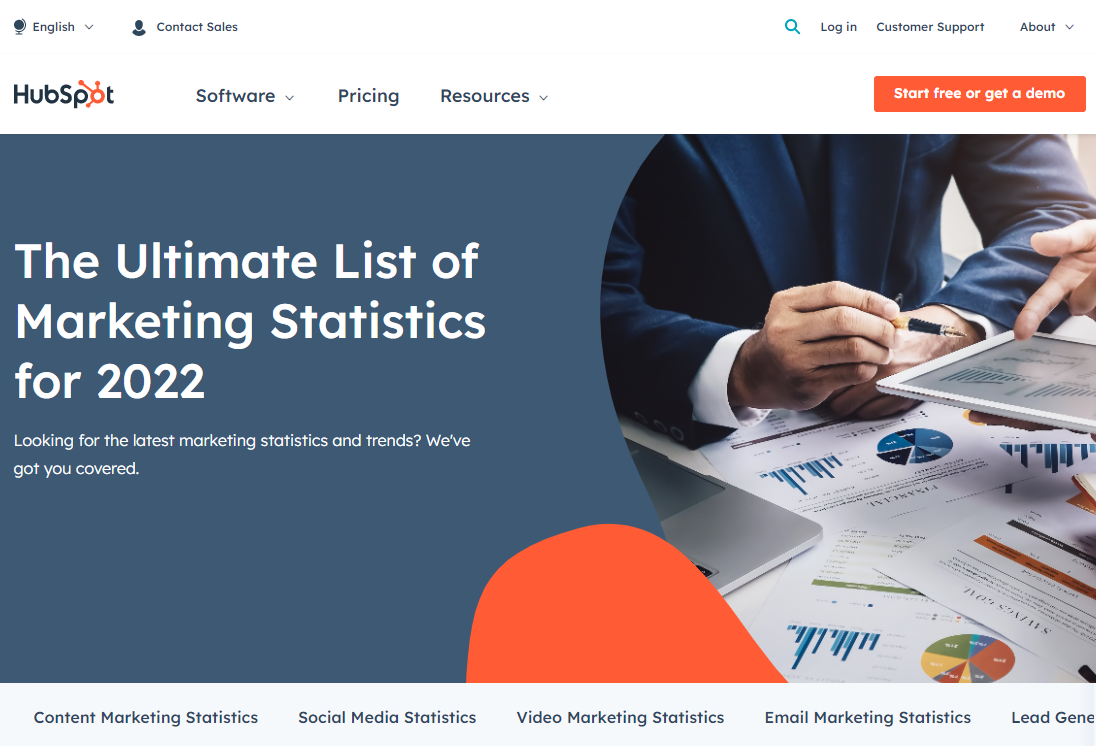
Another data-first link play is compiling industry stats in one location. Marketing software firm Hubspot does this frequently (example here).
- Difficulty: Low to Moderate
- Value: Moderate to High
This strategy can be easy to difficult, depending on your input level. For example, you can compile stats across the web for a topic and have no unique stats of your own. The issue is a good site or journalist will likely source the originator of the stat and not your site. Hubspot does a good job of mixing both.
Guest Posting
Guest posting or guest blogging is a link-building tactic where you offer to write a story for another site. The value exchange is the site receives a free piece of content, and you receive a link.
- Difficulty: Moderate
- Value: Moderate to High
The benefit of guest posting is a higher ability to influence the anchor text. The downside of guest posting is finding good sites that allow guest posts.
Google's former head of search quality, Matt Cutts, came down hard on guest posting in 2014. In the same year, many sites received manual link penalties for guest posting and external linking from guest posts. Penalties prompted many large sites to add rel=nofollow to every link on their site, including Forbes, Entrepreneur, Business Insider and Inc.com.
Guest posting still receives some flak to this day, with Google claiming their algorithms can devalue links from known guest post locations.
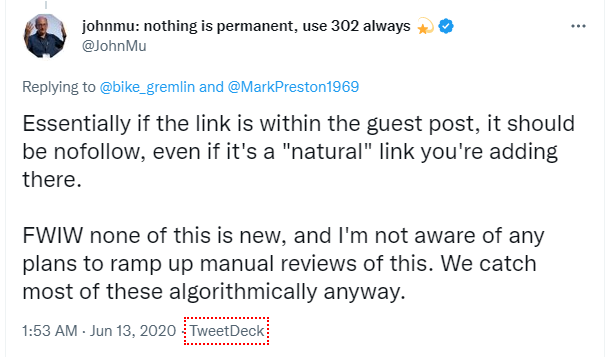
Most websites have since reverted the all-out external nofollow. Still, finding larger, authoritative websites willing to accept guest posts is more challenging. Many stopped accepting guest posts. Others have editorial teams and don't want additional content written by someone unaffiliated unless they're an authority.
It doesn't mean you can't find a good guest post opportunity, just that they're harder to come by.
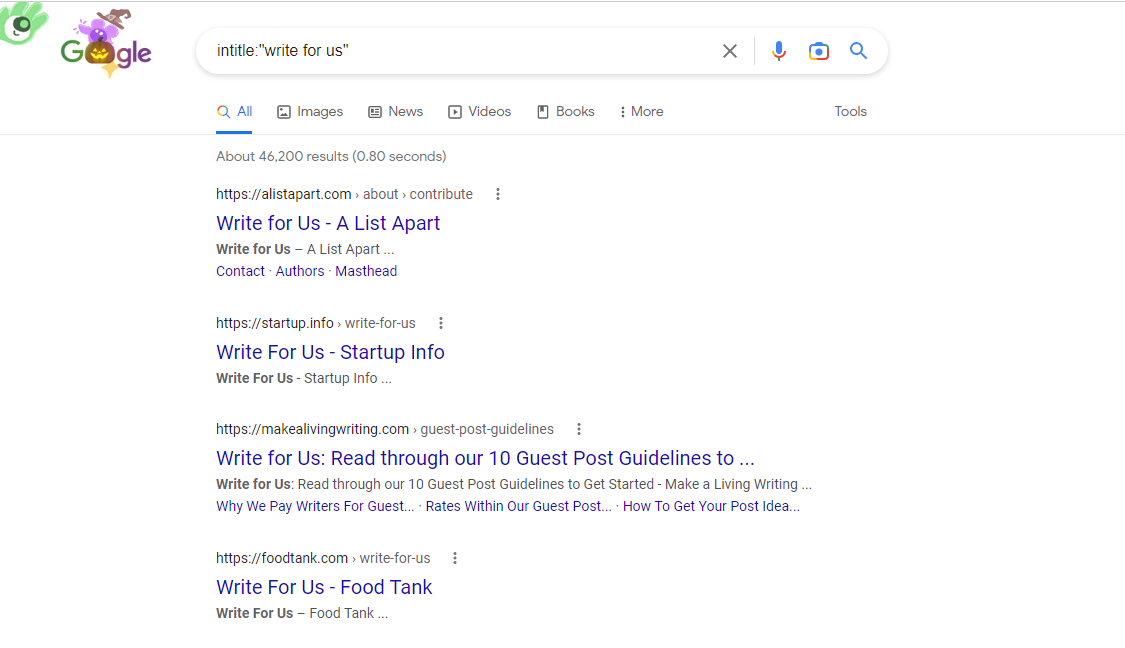
You can find guest post opportunities with different advanced search operators, such as the one below. However, remember that sites accepting guest posts may not be the most authoritative.
Become a Columnist
Similar to guest posting, you can also attempt to become a columnist. Finding good sites looking for columns is difficult, and the publication may have a minimum number of monthly pieces to keep your status as a columnist.
- Difficulty: High
- Value: Moderate
Interviews
A great way of getting links is pitching journalists yourself or an expert as a source for their stories. Many journalists post queries on sites like HARO (help a reporter out) and in niche-specific social media groups.
- Difficulty: Low
- Value: Moderate
Other factors to consider with columns are the law of diminishing returns regarding links and the potential of Google viewing you as manipulating links (if you link to your site too frequently or with exact match anchor text).

HARO and similar services are great for getting links and building up yourself as an expert. The trick to many of these platforms is first having expertise on a subject and second responding fast.
Directory Submissions
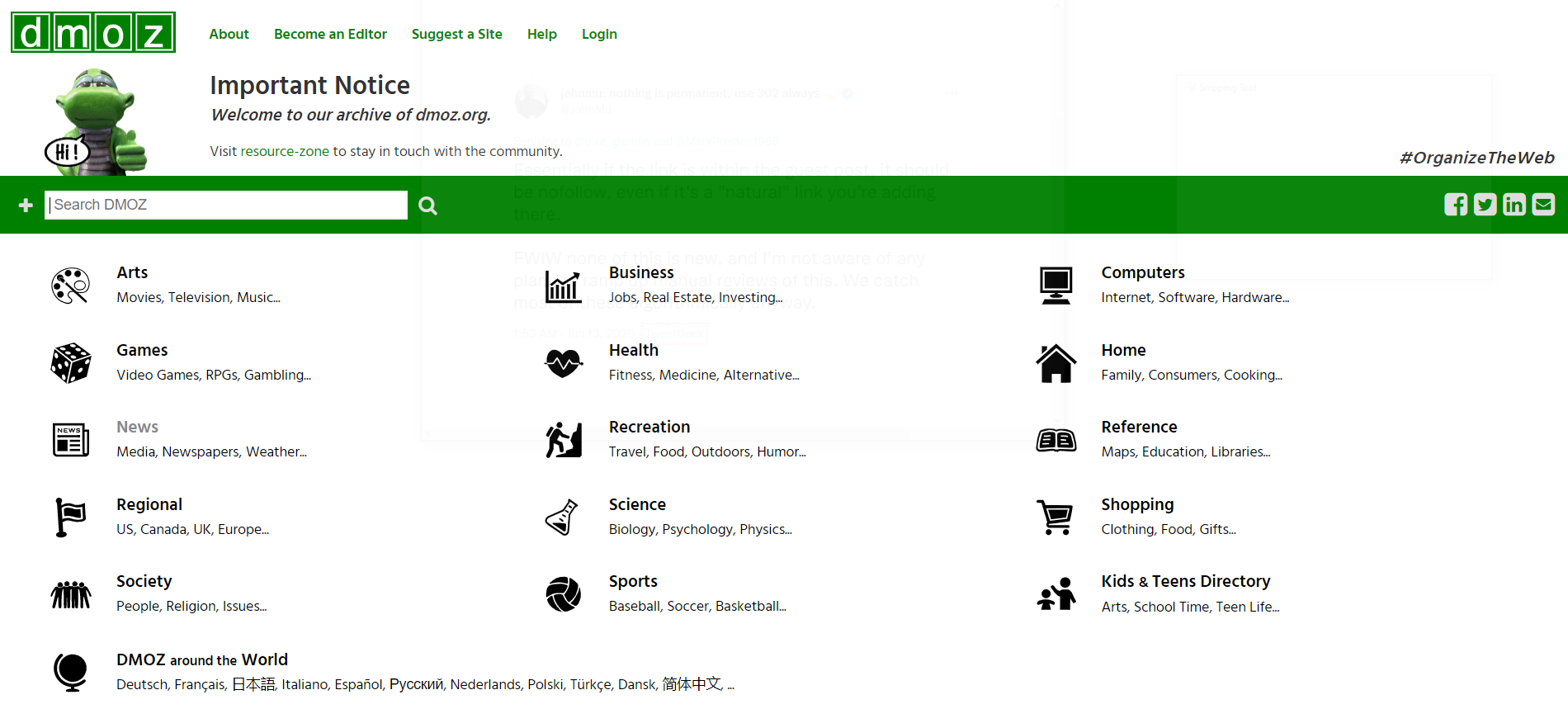
Before search engines, people used directories and blog rolls (giant lists of links). Today, no one uses these types of sites and links from many of these aren't worth the effort outside of local SEO purposes.
You'll want to avoid it if the directory doesn't have an approval flow (directly posts the link). These are typically known and can be harmful.
- Difficulty: Low
- Value: Low
Resource Lists
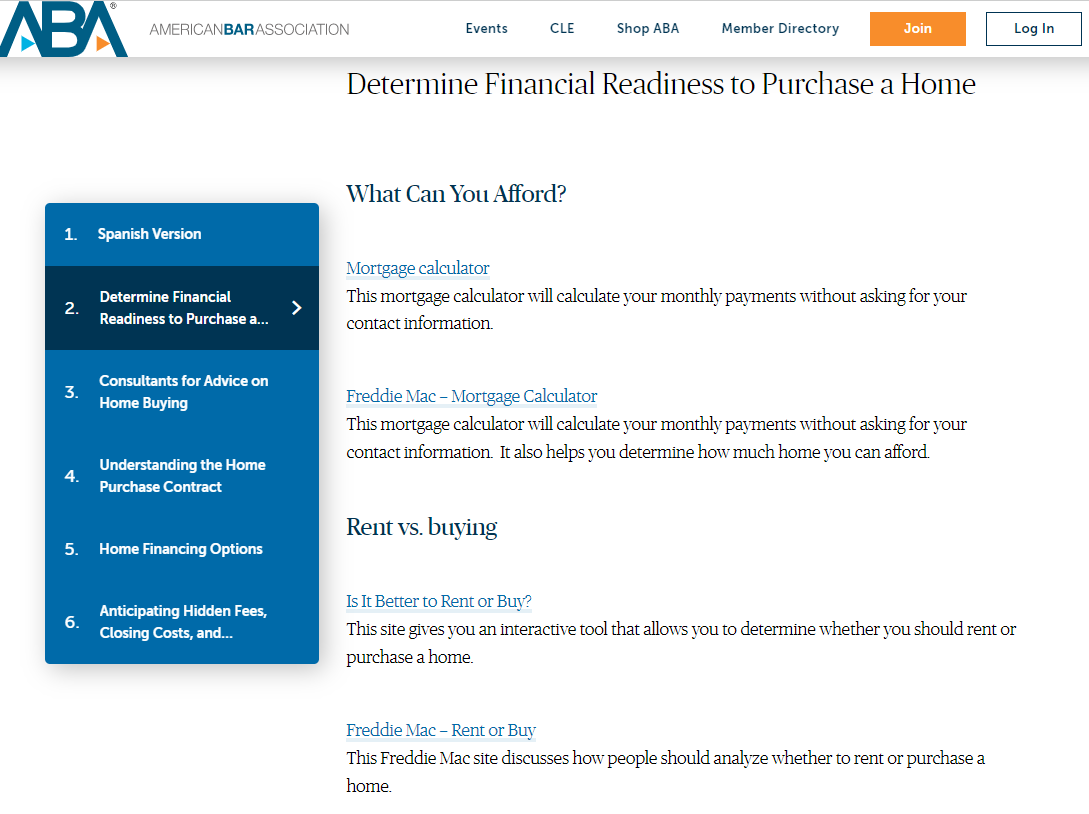
A higher-value form of directory link building is resource link building. With resource link building, you're looking for authoritative websites that provide resources to their users. For example, the American Bar Association has a homeownership resources page that would be somewhat valuable.
- Difficulty: Low
- Value: Low-to-Moderate
The downside of resource links is the nature of a resource page. When considering PageRank and the Reasonable Surfer model, link equity spits between the number of links on a page. So, if a resource page has 300 links and you're at the bottom, the link you received isn't widely valuable.
Paying for Links
Paying for links is against Google's guidelines. However, in the words of Coach Klein from the Waterboy, "What mama don't know won't hurt her."

Buying links from high-quality sources is doable. You don't want to buy links off Fiverr, but digital PR firms and link-building agencies make a living by having connections with journalists who will cover and link to their clients.
- Difficulty: Low to High
- Value: Low to High
The primary considerations when buying links are to make the link look natural and avoid buying from obvious link sellers or PBNs. Appearing natural typically means spacing links out (not buying them all at once) and not over-optimizing the anchor text.
Newsjacking
Newsjacking is taking a trend or story and turning it in your favor. It can be highly lucrative but challenging to pull off - and there's a chance no one picks up your story.
- Difficulty: High
- Value: High
A great example is Hire a Helper, a San Diego-based moving company (Uber for movers). When news broke the Chargers were moving to Los Angeles, they rallied all San Diego and LA moving companies to sign a petition not to move them. The SEO for Hire a Helper went from news station to news station for a week, taking interviews - and getting links in the process.

Amazing Content
Amazing content is the cop-out, but if you can create something so unique, beautiful, useful, etc., that someone can't live without, then sites will naturally link to it.
- Difficulty: High
- Value: High
ISisdeWith.com is a tool that falls into this category. They created a calculator that asks where you stand on political issues and outputs the candidates you align with.

Other Notable Tactics:
Again, there are thousands of tactics to build links. Without going into detail, others include:
- Using data to create case studies or white papers and pitching those to industry publications.
- Using Google's reverse image search to find sites using your proprietary images, then asking for attribution via a link.
- Setting up Google alerts for brand or name mentions and reaching out whenever your brand is mentioned but not linked.
- Finding broken links on other websites and asking the owner or editor to update the link with your site (known as broken link building).
- Use tools like Ahrefs and Semrush to find links pointing to pages no longer active on your site and redirect them to active pages (known as link reclamation).
- Hosting events and pitching the schedule to local or industry publications.
- Speaking at conferences or local meetups.
- Giving something away or offering a scholarship.
- Giving away an award -- think Best Places to Work awards.
- Sponsoring a venue, team, or anything large enough to pick up some press.
- Embedable content and tools that add an attribution link to your site.
- Be a contrarian or have a controversial take. It may not be the best for reputation (depending on the topic), but it can get links.
- Use PR wires to send press releases out with links (also viewed as black hat. However, if done for actual PR and not to build links, it's generally OK).
- Comment and forum posting (often viewed as black hat - links are typically nofollowed on top of it).
- Buying expired domains and redirecting them to your site (often viewed as black hat).
Please note: from an SEO perspective, building links from social media isn't a good or worthwhile link-building strategy. Many social media platforms are non-indexable, and others are too easily gamed, so Google algorithmically deflates their value (e.g., you can post to LinkedIn thousands of times and link back to your site).
Why Sites Link Out
Finding new angles and link-building tactics is challenging, but it can become easier if you understand why sites externally link. Below we cover some common reasons a site would link out and how that can help shape your strategy.
They Need a Source or an Expert
Journalists, commentators and good bloggers regularly source material where they aren't an expert. When these sites find a source, it's common practice to link to that person's byline or the homepage of the company where they are employed.

They Need Validation for a Story or Idea
Validation comes in two parts: opinion and fact. Some sites link to others' thoughts and opinions because it validates their own.
Conversely, some sites link to others because they have solid data that helps form and validate stories based on fact. This is when providing a proprietary dataset or combining open-source datasets to illustrate trends makes someone else's job easier and gives your site an anchor point where someone can link.

They Can Get Clicks with Something Thought Provoking, Funny or Controversial
Many viral pieces often come from an emotional reaction from the audience. Taking the opposite stance on a subject, doing something outlandish, being satirical, etc., can often get links - but it can also come at a reputational cost.
Another Site Has a Tool or Resource They Don't
Websites often link out to tools and resources when they can't create those tools. These types of tools often are a significant help to the user or present information in a way that's difficult to find elsewhere.
By now, you should have a good idea of what link-building is and a handful of the tactics used by many SEOs. Our next lesson expands on this by diving into the process of developing a link-building strategy and creating a link-building campaign.